India’s mobility needs are rapidly evolving. Two-wheelers still remain a major driving force with electrics gathering steam at an electrifying pace (no pun intended). It is clear now that flashy claims and high promises will not be rewarded by Indian customers. Rather trustworthiness, approachability and sensible motoring is being accepted, the dominance of TVS and Bajaj resonates that. Hence, with VinFast trying to make an impact in the ever growing electric two-wheeler space in India, it seems only fitting that the Vietnamese brand pays heed to what the Indian consumer wants.
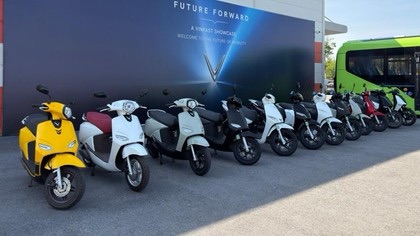
So, where should VinFast begin? By looking at its current e-scooters that it makes in Vietnam at its Hai Phong factory. The sheer volume at which this plant is able to churn out new products is staggering. VinFast has been steadily arming itself to become the market leader in Vietnam and has similar ambitions for India. And while the six e-scooters that were offered to us for sample may not be currently the best suited for Indian conditions, each one of them did showcase a level of honesty and humility in build and style.
For a brief experience around its ADAS circuit inside the factory, VinFast had the Klara Neo, Evo Grand, Vero X, Feliz, Vento S and Theon e-scooters for us to sample. The Vento S is one of their older models in its portfolio, the Klara Neo is their most traditional looking to what an Indian family scooter is, the Evo Grand is Vietnam’s favourite and the Theon is literally almost a motorcycle-in-scooter form. It became quite a bit clear that each one of the six needed a lot of work to be Indianised and VinFast recognises that as well.
The Obvious Choice
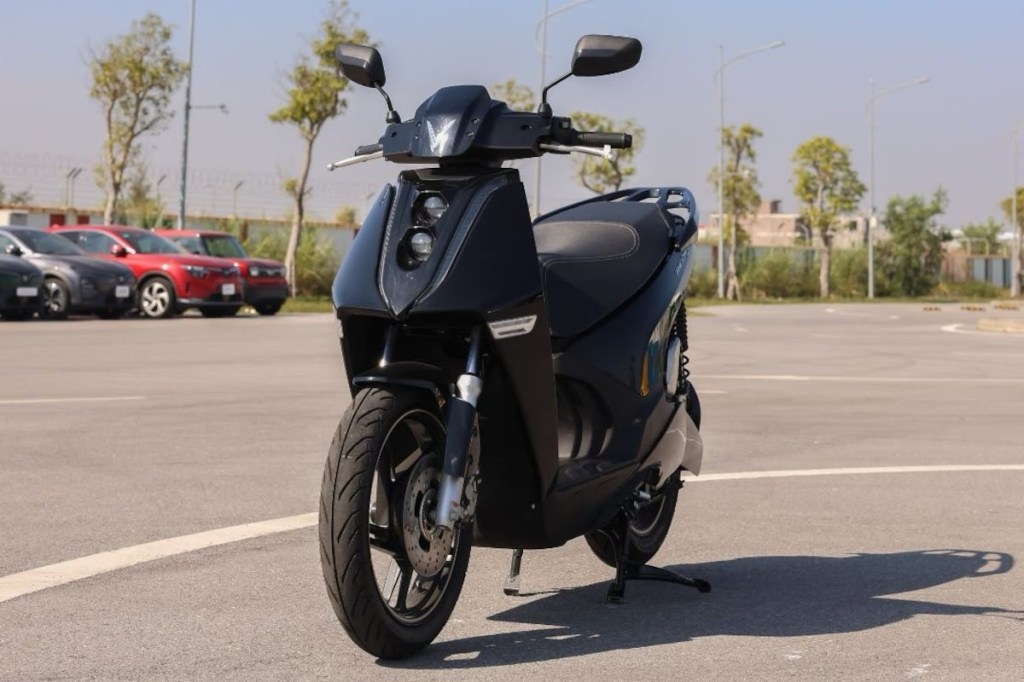
The scooter that stood out and should be the base for the Indian product would definitely be the Vento S. It was one of the only two VinFast e-scooters not to be powered by a conservatively-tuned hub motor. It had a proper mid-mounted motor setup with performance capabilities adequate to suit the Indian riding conditions. It would be quite similar to the likes of the TVS iQube, Bajaj Chetak and Ather Rizta, which is a great place to start. Throttle calibration felt neat, there were no unnecessary throttle cut-offs when you tap on the brakes like you would on some electrics in the market, and overall it felt the most balanced e-scooter of them all.
null
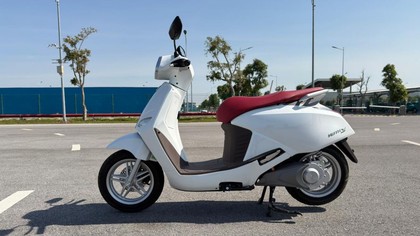
There are two critical areas where I would like VinFast to make an improvement with the Vento for India. Firstly, the suspension tuning. Even though there were no bumps or speed humps to ride over on the ADAS circuit, the general feeling was that of a firmly tuned suspension. It handled well and was not feeling rather wallowy when rapidly switching directions. This would not be as well appreciated on our “PRISTINE” road conditions. The ride needs to be a lot more supple and mushy, which, while compromising on handling, will be a whole lot better for all members of the family.
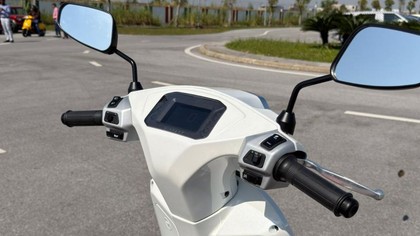
The other is the features department. A boring LCD dash isn’t going to cut it out in India anymore. We have been spoiled for taste with fancy TFTs, touchscreens and what nots. It isn’t that VinFast doesn’t have a TFT in its kitty, the Vero X did have one and it needs to be standard for all of its Indian products.
If VinFast were to find a way to offer the chicness of the Vento with the practicality and spaciousness of the Klara Neo, it could have a strong contender in the Indian e-scooter space.
The Outlier
To complement the Vento, VinFast should try and make a statement with the Theon. This was the Vietnamese brand’s sportiest offering on trial. It did have its quirks and a slight mental recalibration was necessary to enjoy the Theon but boy does it have potential to be quite a fun runabout. In essence, the Theon is a sporty e-scooter with proper 16-inch alloys, a step-through-ish stance and rather limited storage space. There’s a rather punchy motor that drives the rear wheel via chain drive mechanism.
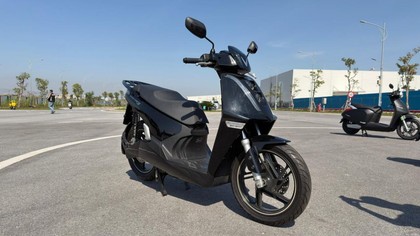
Where the Theon needs work is in throttle calibration and the same two areas as the Vento. It was the only e-scooter that we rode that had the annoying power cut-off when you tap the brakes, supposedly done considering its speediness. However, it needs to go away for India as it becomes a hindrance in tight riding scenarios. And while the suspension needs fine tuning, not to the tune of a family scooter, it needs to be a bit more flexible and balanced.
So When Does The Indian e-Scooter Arrive?
Hopefully, these findings are also what VinFast identifies in its feasibility study that it is conducting in the country. The company has just announced fresh investment to increase the production capabilities of its Chennai plant to handle demands of more cars, e-scooters and even electric buses. And it is clear that VinFast would rather make the e-scooter in India than assemble it to keep it competitive.

These e-scooters will be sold by fresh VinFast dealers as well as existing car outlets. The company has stated that its dealer principals are quite keen on having e-scooters in their showrooms and a few of them are also planning dedicated spaces for the two-wheelers.
With such accelerated plans, the only thing that you hope VinFast doesn’t do is rush into the Indian market. Patience is a great virtue that pays off greatly. After all, no one wants another Ola disaster.


Leave a comment